Natural Compounds: A Promising Approach Against Cognitive Decline
Faced with the repeated failures of traditional pharmaceutical treatments for memory loss and cognitive decline, interest in alternative approaches has grown by 77% over the past five years. Many adults, when they notice the first signs, turn to products available on the market such as ginkgo biloba or vitamin E. Although these options are relatively inexpensive, no studies have consistently proven their effectiveness.
As the number of Americans dealing with memory decline continues to rise, several studies on plant-based compounds have been conducted in recent years, searching for a solution that could slow this progression without the side effects commonly associated with the pharmaceutical industry.
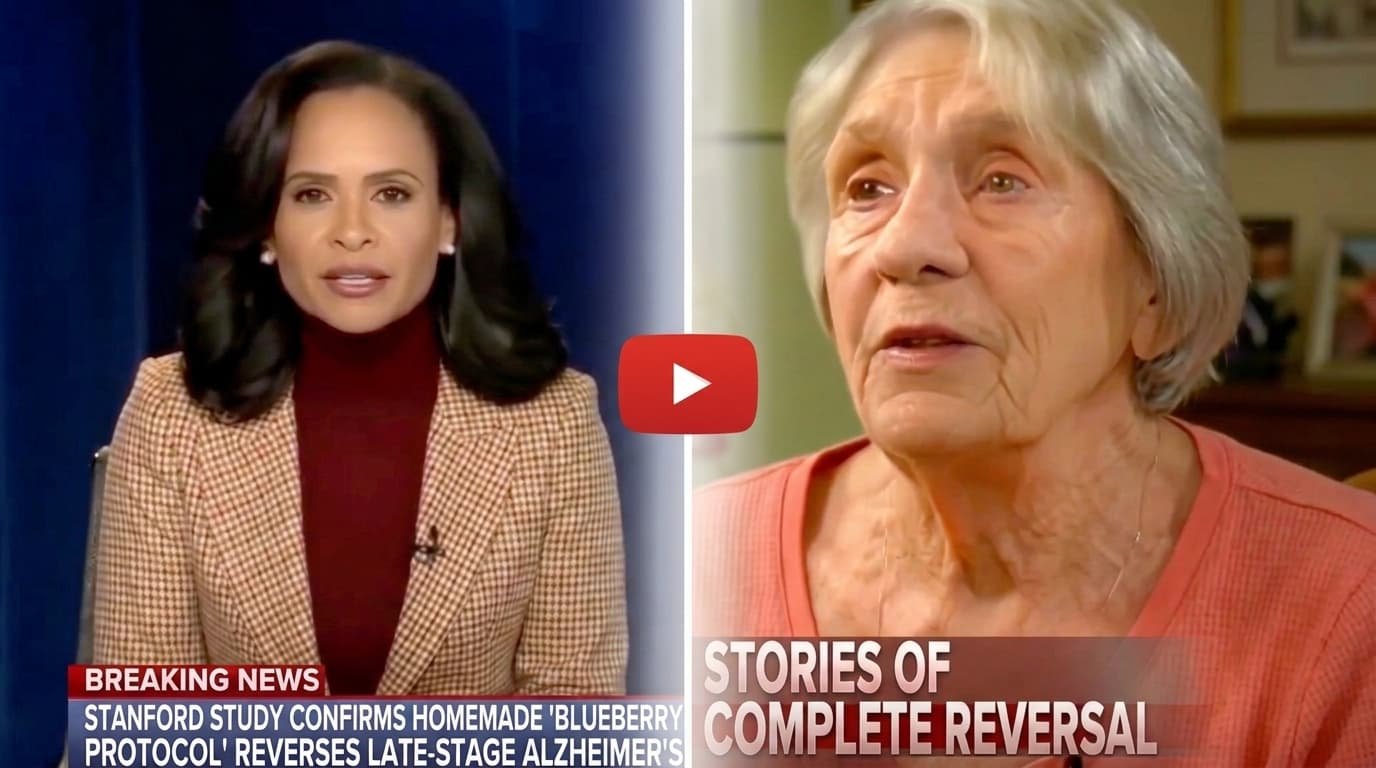
Recently, a specific formula went viral on social media. Unlike other alternatives, this one was tested and approved by hundreds of Americans. Real trials showed that 96% of participants experienced significant results. The response was so strong that several media outlets began covering the story, helping more people gain access to these compounds.
If you or someone you love is going through this situation, watch the short presentation below. It may help restore memory without spending hundreds of dollars.
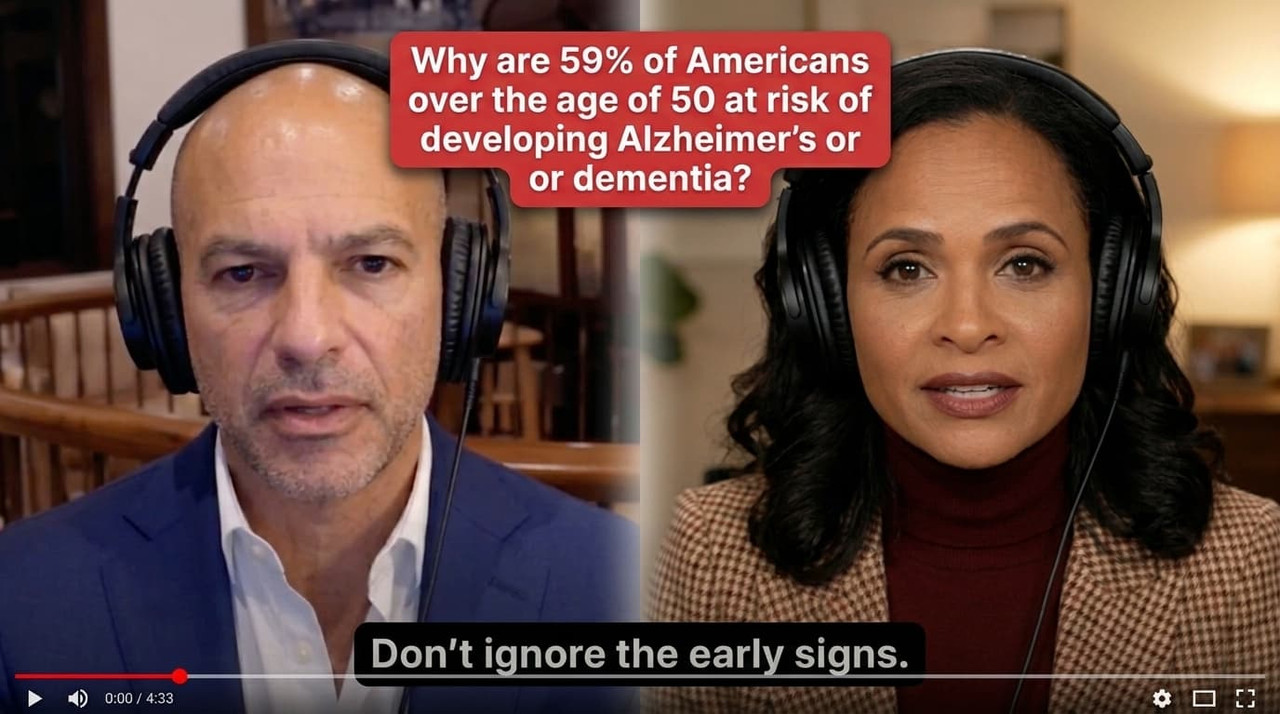 ▶ Watch the Report on New Natural Treatments Against Alzheimer's
88% of Americans don’t know what stage of cognitive decline they are currently in
How Americans aged 50 to 78 are dealing with the progression of memory loss and the growing risk of developing dementia
A national survey on Healthy Aging conducted by the University of Michigan interviewed adults between 50 and 78 years old who were already experiencing some degree of memory difficulty. Among the 7,019 participants:
- 48.5% said they do not believe they are at risk of developing dementia
- 27.8% acknowledged the possibility and are looking for natural ways to protect their memory
- 23.7% reported receiving an early diagnosis less than one year after noticing the first signs of decline
Most participants also said they do not know which tests can identify the current stage of their memory. In addition, 96% believe that forgetfulness is simply a normal part of aging.
This is exactly the group with the highest chance of receiving a more serious diagnosis later. 87% of Alzheimer’s and dementia diagnoses begin with subtle symptoms that are ignored at the start.
If you don’t know what stage your memory is in right now, click the button below. You’ll discover simple approaches that can help reduce memory lapses and lower the risk of an early diagnosis in just a few months — without taking up your time or straining your budget.
See below what most Americans are currently doing to try to protect their memory:
 ▶ Discover How to Protect Your Memory Before It’s Too Late